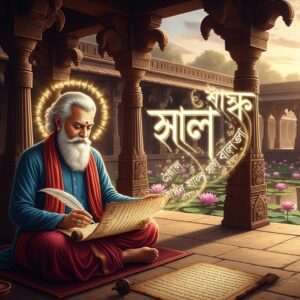


The passage of our sacred Hindu scriptures from their original forms into beautiful regional languages is a heartwarming testament to India’s living heritage. This deeply spiritual journey bridges the divine wisdom of our ancestors with our modern daily practices, allowing devotion to thrive in every household. By understanding the historical evolution of these classical writing systems, we can truly appreciate how they preserve the very soul of our religious ceremonies and rituals.
The Divine Resonance of Sanskrit Verses
For millennia, Sanskrit has been revered as the language of the gods. It is the spiritual foundation upon which our most profound religious and philosophical thoughts were built. Timeless treasures like the Vedas and the Upanishads rely on the linguistic purity of this classical language. Traditionally written in the Devanagari script, these holy verses are celebrated for their unparalleled phonetic clarity. In our traditional pujas, the exact pronunciation of these mantras creates sacred sound vibrations that purify our homes and uplift our spirits. Translating such spiritually potent verses into regional mother tongues has always been a delicate task, as maintaining the core divine essence is of utmost importance to our faith.
The Graceful Evolution of the Bengali Alphabet
The story of the Bengali writing system is steeped in a long, beautifully complex history that reflects the rich linguistic landscape of ancient India. Like many beloved Indian alphabets, it traces its earliest origins back to the Brahmi script, which was widely used to record Sanskrit, Pali, and Prakrit verses. As Brahmi gently spread across the subcontinent, it adapted to local cultural nuances. In Northern India, it blossomed into the Gupta script, which eventually gave birth to Devanagari.
The eastern regions witnessed their own unique transformation. A distinct variation in writing began to take shape during the 8th century AD under the glorious Pala dynasty. Influenced by the Nagari style of the North, this beautiful new form became known as Proto-Nagari or Proto-Bengali. As centuries passed, the Bengali and Devanagari alphabets began to distinctly diverge around the 11th and 12th centuries AD. This allowed the regional characters to develop their signature flowing, circular grace.
Throughout history, the region’s vibrant cultural interactions, including influences from Persian and Arabic traditions, added further richness to the language. Eventually, the script attained a more standardized elegance, culminating in the modern printed form introduced by Charles Wilkins in 1778. Today, the transliteration of ancient Hindu, Jain, and Buddhist texts into this sweet regional language represents a monumental effort to democratize India’s spiritual heritage, making it accessible to every devoted soul in Bengal.
The Heartwarming Chants of Hanuman Chalisa in Bengal
The Hanuman Chalisa is a beloved hymn that echoes in the hearts of millions. When translated into the melodic regional alphabet, it beautifully demonstrates the power of cultural devotion. For Bengali-speaking devotees, reciting these powerful verses in their mother tongue fosters a deeply emotional and personal connection with Lord Hanuman. Ensuring that the traditional rhythm and musicality remain intact during this linguistic transition is crucial for preserving its spiritual potency. Thankfully, the widespread availability of these regional formats has significantly enhanced the daily devotional practices of countless families.
Preserving the Sanctity of Our Daily Rituals
The delicate shift from ancient classical characters to regional letters deeply impacts how we conduct our daily aartis and traditional ceremonies. Reading familiar scriptures allows families to actively participate in religious customs with deeper understanding and genuine devotion. The phonetic integrity of these holy chants is carefully preserved, ensuring that our rituals retain their ancestral power while warmly adapting to our current cultural preferences. This beautiful harmony ensures that our vibrant identity and faith continue to flourish.
Bringing Devotion Home: How Poojn.in Supports Your Spiritual Lifestyle
In today’s fast-paced world, finding authentic samagri for your daily worship shouldn’t be a challenge. As India’s largest and most trusted destination for cultural goods, Poojn.in is fully dedicated to supporting your spiritual lifestyle. Whether your daily prayers are chanted in ancient Sanskrit or the sweet Bengali dialect, we provide everything you need to perform your rituals with absolute purity and devotion.
When preparing for your sacred ceremonies, having genuine, high-quality materials is essential. We proudly offer:
- Sacred Books and Manuscripts: Whether you are seeking ancient philosophical scriptures or beautifully translated regional texts, our carefully curated collection of spiritual books will bring divine knowledge right to your doorstep. Every single text is sourced with the utmost respect for authenticity to ensure you receive the true, unblemished essence of these timeless teachings. Explore our collection at https://www.poojn.in/spiritual-books.
- Complete Traditional Puja Kits: To help you perform your daily aarti or special festive ceremonies flawlessly, our comprehensive puja kits contain all the essential authentic samagri. Each kit is thoughtfully and lovingly assembled to save you precious time while ensuring complete and strict adherence to our holy traditions. Bring home blessings from https://www.poojn.in/puja-kits.
- Premium Ritual Items: Elevate the deeply spiritual ambiance of your home shrine with our premium quality ritual items, ranging from beautifully crafted brass diya lamps to soothing, pure incense sticks. These sacred elements are intricately designed to purify your domestic surroundings and deepen your heartfelt connection with the divine during every prayer. Enhance your sacred space via https://www.poojn.in/ritual-items.
Shopping with us ensures that you receive culturally respectful products combined with the unmatched convenience of modern online shopping. We are committed to nurturing your faith through our authentic cultural goods.
Embracing Our Vibrant Heritage in the Modern Digital Era
The seamless transition of ancient holy scriptures into regional languages is a triumphant celebration of our enduring cultural strength. It proves that while times change, our devotion remains unwavering. Digital platforms now play an indispensable role in this ongoing journey, lovingly preserving rare script variations and making them globally accessible to the Indian diaspora. By embracing these advancements, we honor the profound wisdom of our ancestors, ensuring that the radiant light of our spiritual heritage continues to guide future generations.
Frequently Asked Questions About Our Sacred Texts
Understanding the Contrast Between the Scripts
Sanskrit traditionally utilizes the highly structured Devanagari writing system, renowned for its strong horizontal lines, whereas the regional Bengali alphabet possesses its own distinctively curved, flowing characters. While they share the same ancient Brahmi roots, they have blossomed into wonderfully unique visual forms over the centuries to suit local linguistic flavors.
Converting Ancient Verses into Regional Alphabets
For those seeking to read classical mantras in their mother tongue, utilizing modern digital transliteration tools is highly effective. Alternatively, devotees often dedicate time to studying the specific phonetic character mappings to ensure their daily chanting remains spiritually potent and flawlessly pronounced.
The Enduring Popularity of Regional Hymns
The immense love for the Hanuman Chalisa in Bengal stems from a deep-seated devotion to Bajrangbali. Bengali-speaking devotees find that reading this powerful, protective hymn in their native tongue allows for a much more profound, emotionally resonant connection to the divine during their morning or evening prayers.
The Influence of Classical Languages on Bengali Culture
The profound impact of classical antiquity on eastern Indian culture cannot be overstated. Since the vast majority of our foundational religious doctrines and holy rituals originated in these ancient dialects, adapting them helps preserve and democratize our rich spiritual heritage for generations of modern devotees.
Digital Resources for Learning Phonetic Mappings
There are numerous welcoming digital platforms and online communities available today that provide excellent resources for learning these character conversions. These accessible tools make it incredibly simple to transition between reading classical characters and regional scripts without ever losing the sacred sound vibrations.
Finding Devotional Texts Online
Devotees routinely seek out regional versions of their most beloved hymns, and thankfully, finding holy texts written in regional alphabets online is now easier than ever. This wonderful digital accessibility empowers individuals to practice their daily devotion seamlessly, regardless of where they live in the world.
Learning New Alphabets with Prior Classical Knowledge
Recognizing the intricate phonetic structure of classical languages can significantly aid in grasping regional scripts, as many fundamental sounds and linguistic rules are closely related. However, just like any deeply spiritual practice, consistent devotion and regular reading are the true keys to achieving fluency.
The Necessity of Script Adaptation for Holy Scriptures
The ongoing adaptation of holy scriptures into familiar regional writing systems is absolutely essential for cultural preservation. It lovingly democratizes our profound spiritual heritage, ensuring that our rich traditional values and sacred wisdom continue to thrive brightly in every single Indian home.